

When Is the Best Time to Lock a Mortgage Rate?
Time your lock to your offer and closing date, not the headlines.
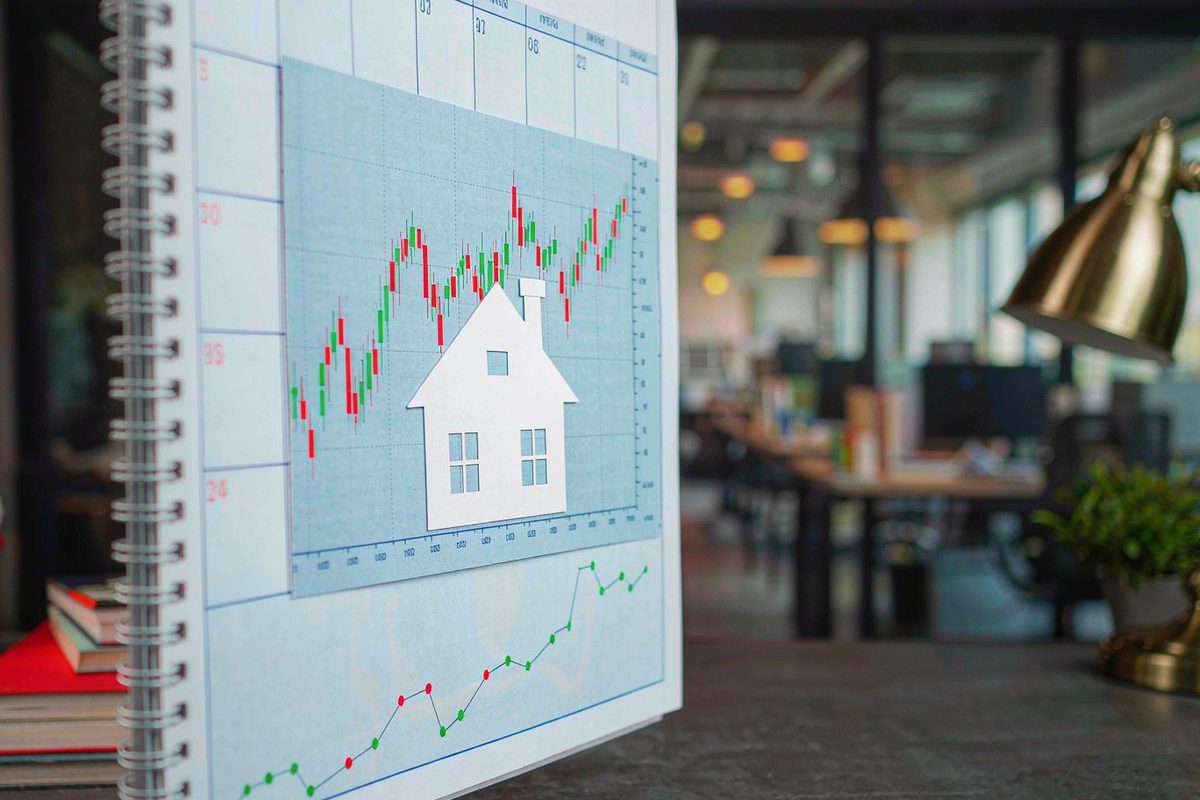
Lock your rate when you have a solid offer on a home and a closing date within your lock period — not too early, and never leave it floating right before closing. A rate lock protects you from rising rates, but locking too soon can cost you if rates fall.
What a Rate Lock Does
A rate lock is a lender's promise to honor a specific interest rate for a set period, usually 30, 45, or 60 days. If rates rise before closing, you keep your lower rate. If rates fall, you are generally stuck with the locked rate unless your lender offers a float-down option, which lets you capture a lower rate under certain conditions.
How Long to Lock
Match the lock period to your expected closing date, with a small buffer. A 30-day lock is cheaper and works if closing is imminent; a 60-day lock offers safety for a longer escrow but may carry a small fee or slightly higher rate. Ask your lender how each option is priced.
Weighing the Market
If rates are rising, locking early protects you. If they are volatile or trending down, you might wait a little — but this is a gamble. A practical approach is to lock once you are under contract and your closing timeline is firm, rather than trying to time the absolute bottom.
What Can Go Wrong
If your closing is delayed beyond the lock expiration, you may have to pay to extend the lock or accept the current market rate. Ask about extension terms upfront. Also confirm whether the lock covers only the rate or specific points and fees, so there are no surprises at closing.
Frequently asked questions
Is a rate lock free?
Standard locks are often included, but longer locks or extensions may cost a fee — ask your lender.
What is a float-down?
An option that lets you take a lower rate if market rates drop after you lock, usually for a fee and within limits.
What happens if rates drop after I lock?
You generally keep the higher locked rate. Some lenders offer a float-down option that lets you capture a lower rate under specific conditions, often for a fee, so ask about it up front.
How long should I lock my rate for?
Match the lock period to your expected closing date with a small buffer. A 30-day lock is often cheapest, while 45 or 60 days gives more room if the transaction may take longer.
Can a lock be extended if closing is delayed?
Usually yes, but an extension may cost a fee or require the loan to reprice at current market rates. Confirm the extension policy before you sign the lock agreement.