

Mortgage Modification vs Refinance: What's the Difference?
Which option changes your loan, and which one replaces it.
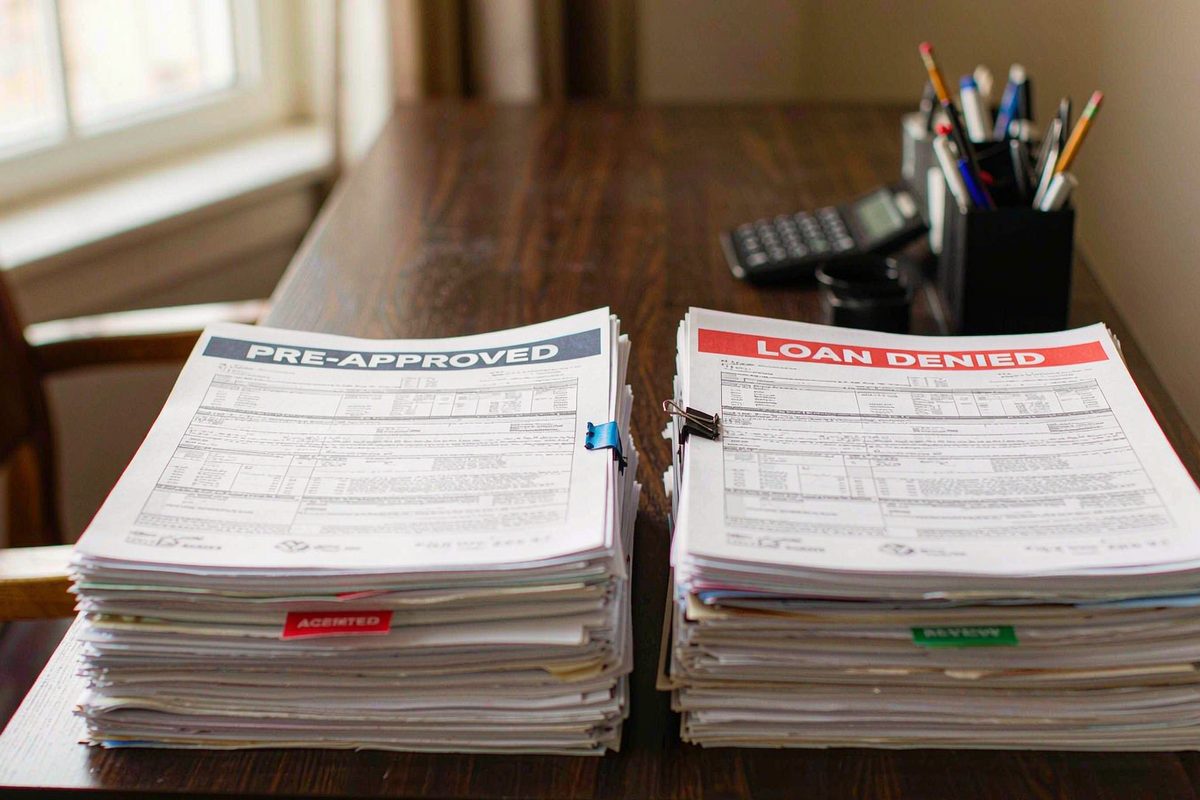
A loan modification changes the terms of your existing mortgage — often to make payments affordable — while a refinance replaces your old loan with a brand-new one. They serve different situations and have very different effects on your credit and costs.
What Is a Modification?
A modification adjusts your current loan's terms without a new loan. Changes might include lowering the interest rate, extending the term, reducing the principal, or forbearing part of the payment. Modifications are typically offered to borrowers facing financial hardship or foreclosure, and they are arranged through your existing servicer. They usually do not require a new appraisal or closing costs.
What Is a Refinance?
Refinancing pays off your old mortgage and creates a new one, usually to secure a better rate, change the term, or tap equity. It requires a new application, credit check, appraisal, and closing costs. You qualify based on your current credit, income, and equity. Refinancing is a proactive move for borrowers in good standing, not a hardship remedy.
Key Differences
A modification keeps your original loan number and often has little impact on your credit score, though a "not current" status may be reported. It is designed for trouble. A refinance creates a new loan with new terms and a hard credit inquiry, but can dramatically improve your rate and payment if you qualify. Modifications may report as "modified" and can affect future mortgage eligibility for a period.
Which Do You Need?
If you are struggling to make payments and want to avoid foreclosure, ask your servicer about a modification or hardship program. If your credit and finances are healthy and you want a lower rate or cash out, refinancing is the better tool. Be cautious of modification scams that demand upfront fees — legitimate help comes through your servicer or a HUD-approved counselor.
Frequently asked questions
Does a modification hurt my credit?
It may be noted on your report depending on your payment status, but it is usually less damaging than foreclosure.
Can I refinance after a modification?
Possibly, after a period of on-time payments — many programs require several months of good history.
Will a loan modification hurt my credit?
The impact depends on how the account is reported and whether payments were already late. A modification is generally less damaging than foreclosure, though it can affect future applications for a period.
Can I refinance after a modification?
Sometimes, after a period of on-time payments under the modified terms. Lenders want to see a sustained track record before offering a new loan.
How do I spot a modification scam?
Be wary of anyone demanding upfront fees or asking you to stop paying your lender. Legitimate help comes from your servicer or a HUD-approved housing counselor.